

EEO Center at Future2Tech 2026
October 11, 2026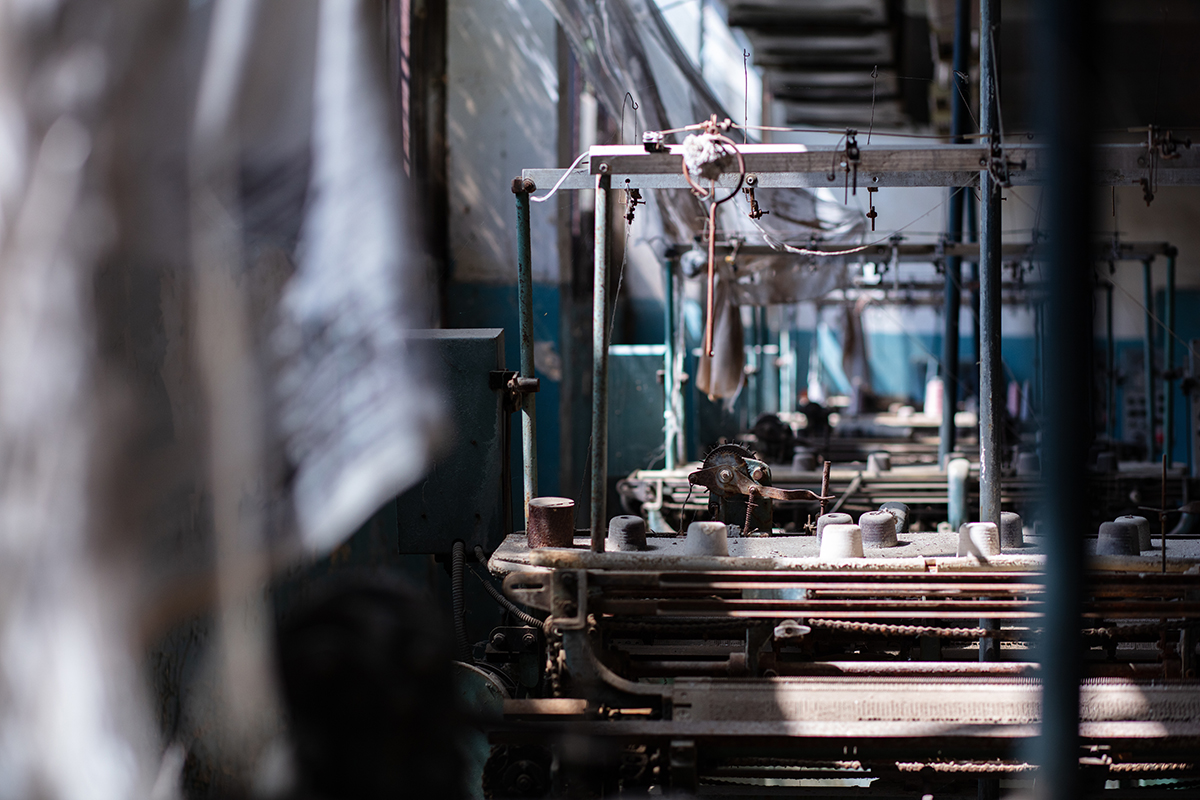
Why Bangladesh’s Ready-Made Garment Sector Must Prioritize Safety Ahead of Least Developed Country Graduation?
A Turning Point on the Global Stage
Imagine a bustling factory floor in Dhaka, echoing with the rhythm of sewing machines. Here, nearly 4 million workers in about 4,000 factories nationwide, more than 53% of them women, craft garments shipped worldwide. Ready-made garments (RMG) form the backbone of Bangladesh’s national economy, bringing in $38.82 billion in 2025 a massive 82% of total exports.
Now, Bangladesh stands at a historic crossroads: its projected Least Developed Country (LDC) graduation in 2029. Following a recent announcement by the UK government, Bangladesh will retain duty-free market access for apparel exports after graduation under the UK’s General System of Preferences Plus (GSP+) for developing countries. Granted for a transition period (November 2026–November 2029), this preference ensures that Bangladesh’s exports to the EU may continue benefiting from preferential tariffs beyond LDC status.
While graduation may affect overall export growth, one thing is clear: regulatory compliance, responsible sourcing, and working conditions in the RMG sector are rapidly becoming critical success factors.
The Squeeze and The Hidden Paper Trail
Behind this macro-economic success story, however, lies a subtle tension unfolding inside the factories.
Post-graduation tariff shifts, a global economic slowdown, and rising production costs are squeezing enterprise profit margins. Factory owners face immense pressure to cut operational expenses wherever possible. In this high-stakes environment, non-essential costs are often the first at risk: daily production targets naturally take priority, while vital initiatives like enhancing staff capacity, strengthening Safety Committee activities, and carrying out scheduled equipment or structural maintenance get pushed aside.
At the same time, a disconnect forms on paper. Social compliance audits rely heavily on computerized systems. These systems generate scores showing whether factories meet established standards, but they provide limited insight into the actual working conditions and safety practices on the factory floor.
For instance, a factory uploaded audit records showing that workers have received safety training, personal protective equipment (PPE) has been provided, and corrective actions have been completed. A visit to the factory floor, afterwards, reveals workers not using the appropriate PPE, poorly maintained equipment, or safety procedures that are not followed during busy production periods. The computerized system records compliance on paper, but it cannot, by itself, confirm whether safety measures are consistently practiced in real working conditions. As a result, a factory can appear fully compliant on screen while significant safety hazards remain overlooked, and workers’ concerns go unaddressed.
While organizations like the RMG Sustainability Council (RSC) continue making dedicated efforts to uphold social compliance standards across the garment sector, post-LDC market demands will require far more rigorous, evidence-based, and continuous monitoring to ensure decent working conditions, adherence to environmental requirements, and labor compliance.
The Moral & Economic Imperative
Ultimately, Bangladesh’s economic prospects must not be sacrificed on the altar of cheap labor. Margin compression cannot be used as an excuse to ignore worker safety or compromise basic human rights.
To meet the global demand for affordable products while maintaining a competitive edge, factory owners and national policymakers must reach a firm consensus: Occupational Health and Safety (OHS) standards are not expendable and must never be negotiated.
For example, if a factory identifies inadequate ventilation and excessive heat on production floors, management should assign responsibility, allocate funds, set a deadline, and consult workers, particularly women workers, on whether the measures are effective. At the policy level, government agencies such as the Department of Inspection for Factories and Establishments (DIFE) can strengthen risk-based inspections and follow up on unresolved safety findings, while buyers should align purchasing prices, lead times, and order volumes with the actual costs of safe production. Linking factory-level corrective action plans with inspection follow-up and buyer accountability would help ensure that safety gaps are not simply recorded in audit systems but addressed in practice. In this way, worker safety becomes an integral part of a country's industrial competitiveness, rather than a cost to be cut under commercial pressure.
When the system is properly maintained, safety and compliance become powerful allies in the race for LDC graduation and, in turn, this upgraded national status will protect and promote the interests of Bangladesh’s economy.

>> About the Author
Farha Zakaria is a Bangladeshi development professional based in Dhaka, with over 10 years of experience in project coordination, capacity building, and TVET-focused skills training. She specializes in private sector development, gender-inclusive education, community development and occupational health and safety (OHS) across humanitarian and international cooperation agencies.