From attendance to inclusion: small changes that create space for every voice
October 29, 2026
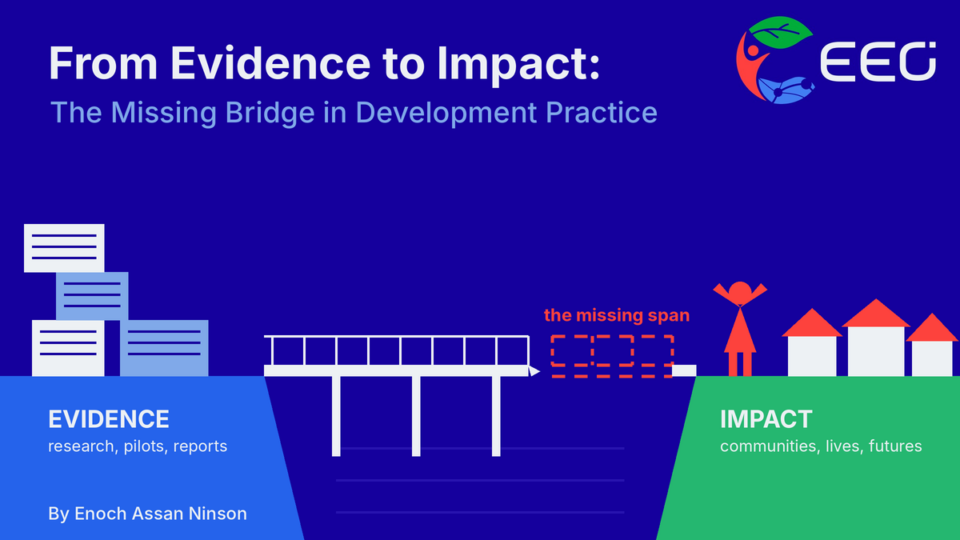
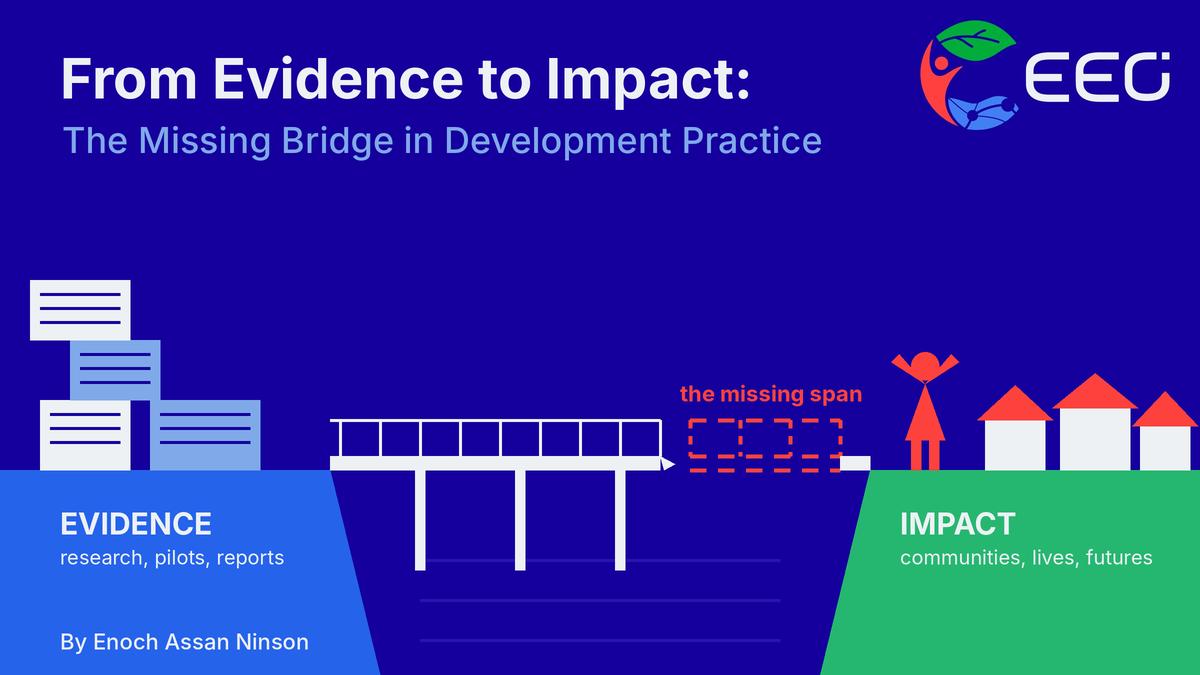
From Evidence to Impact: The Missing Bridge in Development Practice
November 13, 2026I have participated in countless development projects across different countries, cultures, and sectors. Some had substantial budgets and ambitious objectives. Others were far more modest. Yet years later, I often find myself asking the same question: which of them actually improved people’s ability to build a better future?
Throughout my career, I have worked with farmers confronting drought and crop pests, young people searching for opportunities, researchers developing innovations, governments shaping policy, and donors investing in solutions to some of the world’s most pressing challenges.
Years ago, I met a farmer who had attended several training courses delivered through different projects. He appreciated the training, but what worried him most was not how to grow more crops. It was whether he would be able to sell what he produced and provide opportunities for his children to remain in the community. His concern was not productivity alone. It was his future.
The farmer’s concerns are not unique. Across countries and communities, the contexts differ, the challenges vary, and the priorities change. Yet beneath these differences lies a common question:
How do people build a better future for themselves, their families, and their communities?
We often speak about development in terms of sectors and programs: agriculture, education, employment, infrastructure, climate resilience, but people do not experience life in sectors.
A farmer worried about water scarcity is also concerned about household income, access to markets, the education of their children, and the future of their community. A young graduate seeking employment is simultaneously navigating housing costs, economic uncertainty, and questions about whether their aspirations are achievable.
Real life is interconnected. Yet too often, our solutions remain fragmented.
When outputs become the destination
In many cases, development success is measured by what we deliver rather than what people ultimately gain.
How many people were trained?
How many workshops were conducted?
How many reports were produced?
These metrics are important. Accountability matters. Public and donor resources should be used responsibly and transparently.
From the perspective of the people we seek to serve, the more important question is often much simpler:
Has this intervention improved my ability to build a better future?
Attending a training course is not the goal.
Finding meaningful and sustainable employment is.
Receiving agricultural inputs is not the goal.
Improving resilience, productivity, and household income is.
Participating in a project is not the goal.
Having greater opportunities after the project ends is.
The distinction may seem obvious, yet it changes how we think about success.
Development is not ultimately about activities. It is about possibilities.
The challenge of connected problems
Many of today’s development challenges cannot be separated from one another. Food security depends on agriculture. Agriculture depends on water. Water depends on climate. Economic resilience depends on jobs. Jobs depend on education, skills, infrastructure, investment, and innovation.
Each issue influences the next. Yet funding, policies, and institutions are often designed as if these challenges exist separately. As a result, solutions are frequently designed in isolation, even when the problems themselves are interconnected.
A community may receive technical support to increase agricultural production but continue struggling because market access is limited. A young entrepreneur may have a promising idea but lack financing, mentorship, or access to networks that could help transform that idea into a viable business.
The challenge is rarely the absence of effort. More often, it is the absence of integration. Complex problems rarely require bigger solutions. They require more connected ones.
The importance of ownership
One lesson has emerged consistently throughout my work. Lasting change cannot be imported.
External organizations can provide expertise, funding, technology, and partnerships. They can introduce new approaches and help create opportunities, but sustainable progress depends on local ownership.
The most successful initiatives I have witnessed were not necessarily the largest or the most sophisticated. They were the ones where communities, institutions, and local leaders viewed themselves not as beneficiaries, but as owners of the process.
People invest in what they help create. Communities sustain what they believe belongs to them. When solutions are co-created rather than delivered, they become far more resilient and far more likely to endure.
Development becomes sustainable when people are not simply receiving change but shaping it.
Rethinking how we define success
Perhaps the development community should spend more time asking a different question.
Not “What did we deliver?”, but “What changed after we left?”
Did institutions become stronger?
Did partnerships continue?
Did communities become more resilient?
Did young people gain confidence in their future?
Did farmers acquire the tools and capabilities needed to adapt to changing conditions?
The most meaningful outcomes are often the least visible during a project’s lifetime. They emerge years later through stronger institutions, better partnerships, greater self-reliance, and expanded opportunities.
These are the foundations upon which lasting progress is built.
No organisation can do it alone
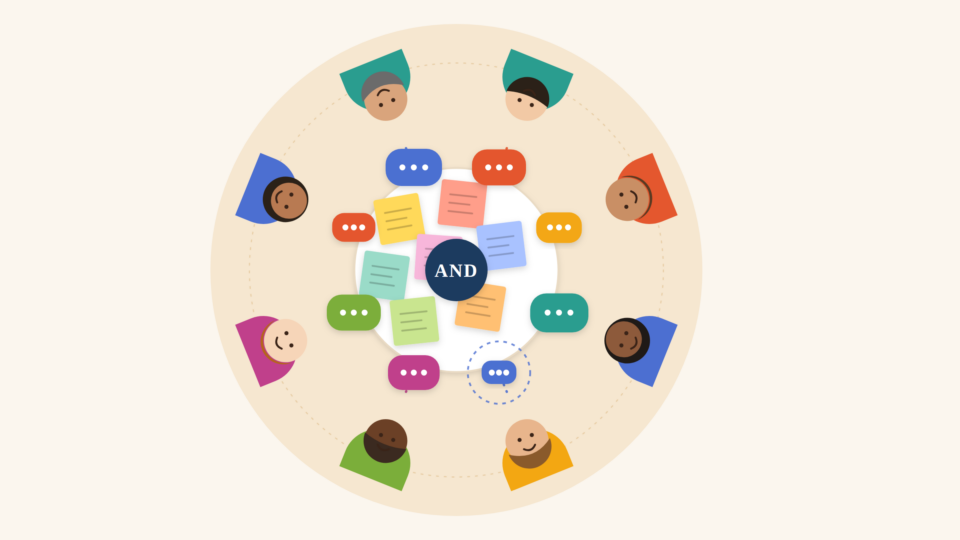
The challenges we face today are too complex for any single institution to solve alone. Governments, researchers, private companies, civil society, donors, and communities each hold part of the solution. Progress increasingly depends on our ability to bring these actors together around shared outcomes rather than isolated activities.
The most successful initiatives are rarely those driven by a single actor. They are the ones that align research, policy, investment, and community needs around a common purpose.
Development is ultimately about hope
At its core, development is not about projects, reports, technologies, or budgets.
It is about people. It is about expanding opportunities. It is about creating conditions in which individuals and communities can imagine a better future and have a realistic pathway to achieve it.
When people lose confidence in the future, frustration grows. Trust weakens. Progress becomes harder to sustain. When people see opportunity, they invest in themselves, contribute to their communities, and embrace innovation and change.
Perhaps this is why development should be viewed not only as an economic or technical endeavor, but also as a human one. The ultimate measure of progress is not simply whether an economy grows, a policy is implemented, or a project is completed. It is whether more people feel empowered to shape their own future with dignity, confidence, and purpose. Because in the end, the most valuable thing we can help build is not a program or an institution.
It is hope
And hope, when combined with opportunity, remains one of the most powerful forces for sustainable change.
About the Author
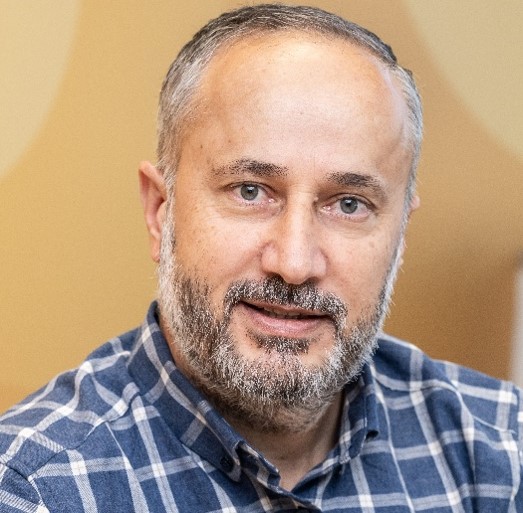
Mojeeb Stanikzai is an international development leader with experience across the Middle East, Africa, and Asia. His work focuses on transforming research and innovation into practical solutions that strengthen food security, resilience, and economic opportunity. He has worked extensively with governments, research institutions, donors, and development partners to address complex challenges at the intersection of agriculture, sustainability, and inclusive growth. He currently leads initiatives that connect science, policy, and partnerships to deliver lasting development impact.
Disclaimer: The views expressed in this article are solely those of the author and do not necessarily represent the views of his current employer or affiliated organizations.