Europe’s protests, symptoms of a deeper crisis
October 24, 2026
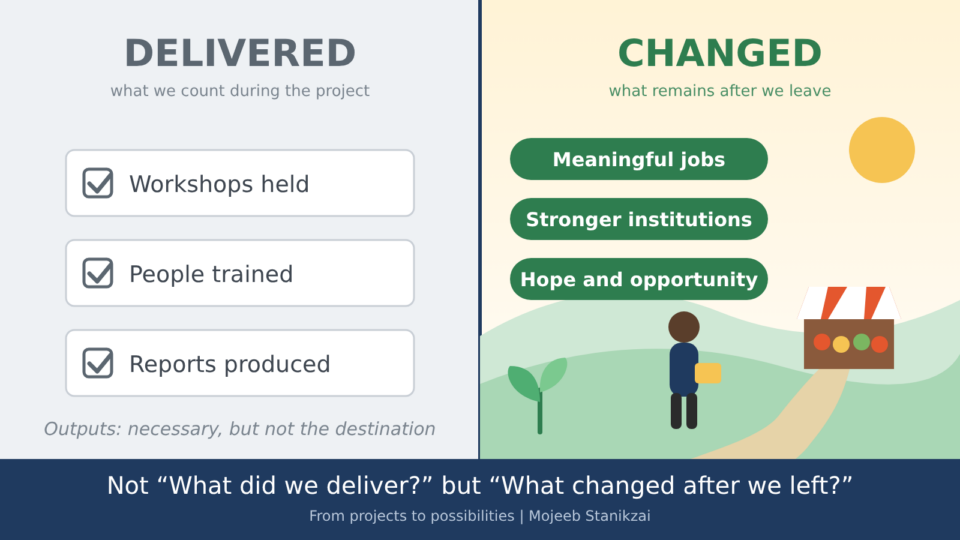
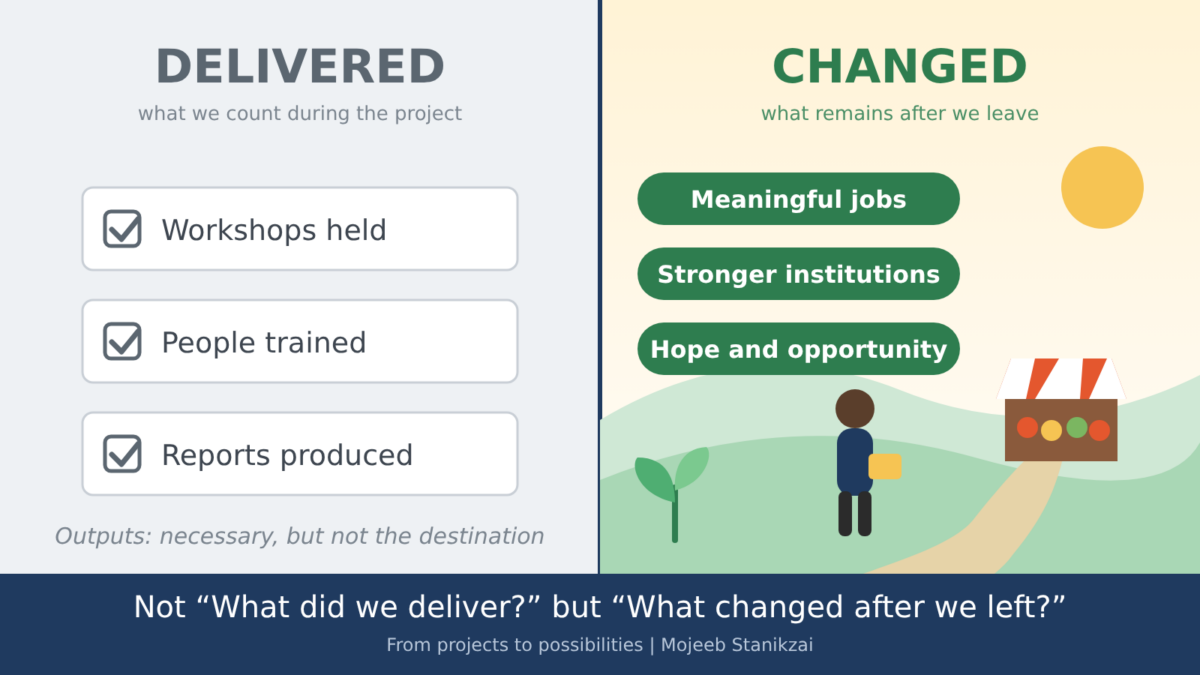
From projects to possibilities: Development about building futures, not just delivering activities
November 7, 2026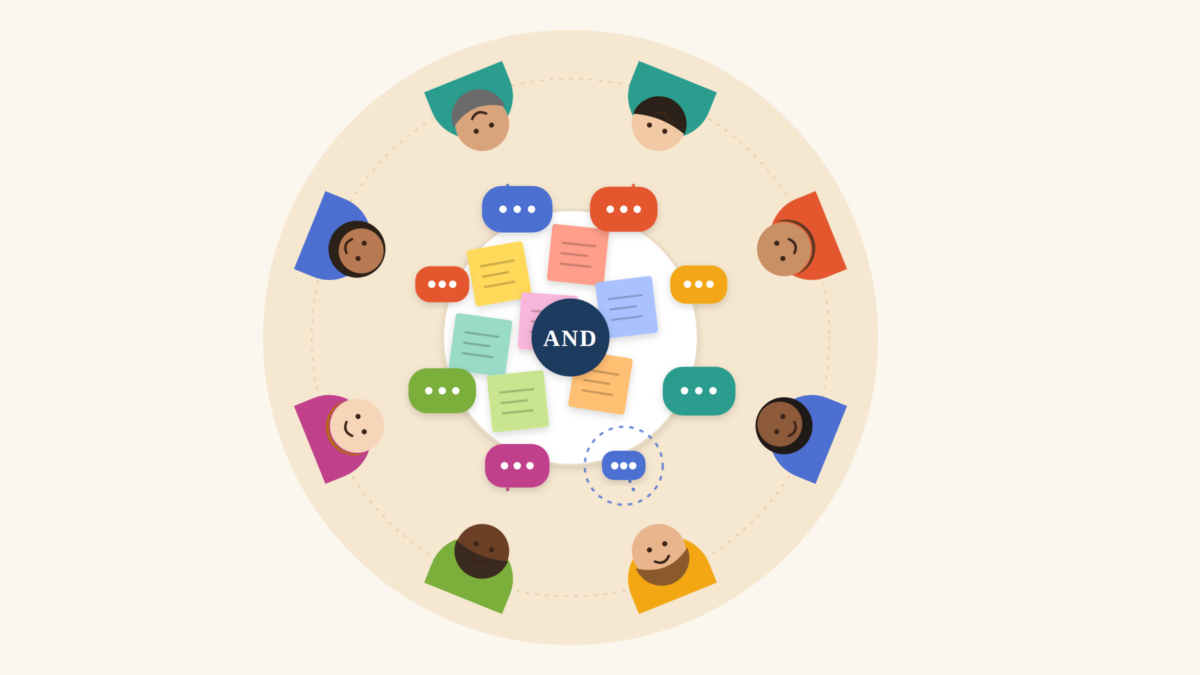
Do you remember the last time you attended a meeting, consultation, workshop, or training session that made you feel truly welcomed, engaged, and included?
A Turning Point on the Global Stage
Throughout my professional career, I have attended countless meetings, consultations, workshops, and training sessions. Surprisingly, only a handful have left a lasting impression, not necessarily because of the speakers or topics, but because of how genuinely engaged I felt.
At many events, I found my mind wandering as a few people dominated the discussion while everyone else remained silent. I often wondered: Why bring a room full of people together if only a few get to share their ideas? Surely, we can make better use of the time, resources, and expertise gathered in that room.
We know that diversity in gender, race, culture, age, experience and background broadens our perspectives, bringing different viewpoints and creative solutions to the table. But what happens when a room is diverse in its participants, even so, lacks diversity in the ideas and opinions being shared?
True inclusion goes beyond simply counting how many women and men are in the room. It is reflected in how we select participants to address an issue, facilitate a session, encourage participation, and create opportunities for everyone to share their perspectives and be heard. Only then can the ideas, data, and recommendations generated truly reflect the diverse perspectives of everyone in the room and spark meaningful innovation and effective solutions.
Taking small steps toward a more inclusive session
Creating an inclusive space doesn’t require a complicated approach or a big budget. Sometimes, small changes in how we design a session and bring people together can transform both the atmosphere and the outcomes.
Start with a common understanding
Before diving into the agenda, take a moment to set the tone with a slide that establishes a shared understanding: this is a safe space where everyone can express their thoughts and ideas without fear of judgment. No one needs to have the perfect answer or say exactly the right thing. What matters is that we listen to and respect one another’s experiences and perspectives, even when they differ from our own.
Get to know each other
We all come from different experiences and backgrounds, and sometimes, unconscious biases or stereotypes shape how we perceive others before we have even heard them speak.
A round of introductions can go a long way. Invite participants to share their positions, organisations, and reasons for attending.
As we listen to each person’s story, our perceptions can begin to change. That young woman or man sitting quietly in the room is not simply another participant. They have been trusted to represent their organisation, bring their expertise, and contribute to solving a problem.
Sometimes, all it takes is a little understanding to see the value each person brings.
Make room for everyone to express ideas, even the quiet ones
Grabbing the microphone and speaking in a room full of people or appearing on the big screen is not everyone’s cup of tea.
Think back to when you were younger, full of ideas but hesitant to share them. Even after years of experience, you may still find yourself wondering whether your ideas are worth sharing.
What we have often found is that the youngest person, the oldest person, or the quietest person in the room can bring fresh perspectives, thoughtful ideas, and the courage to challenge the persistent problems we are trying to solve.
So, how can we make it easier for everyone to contribute?
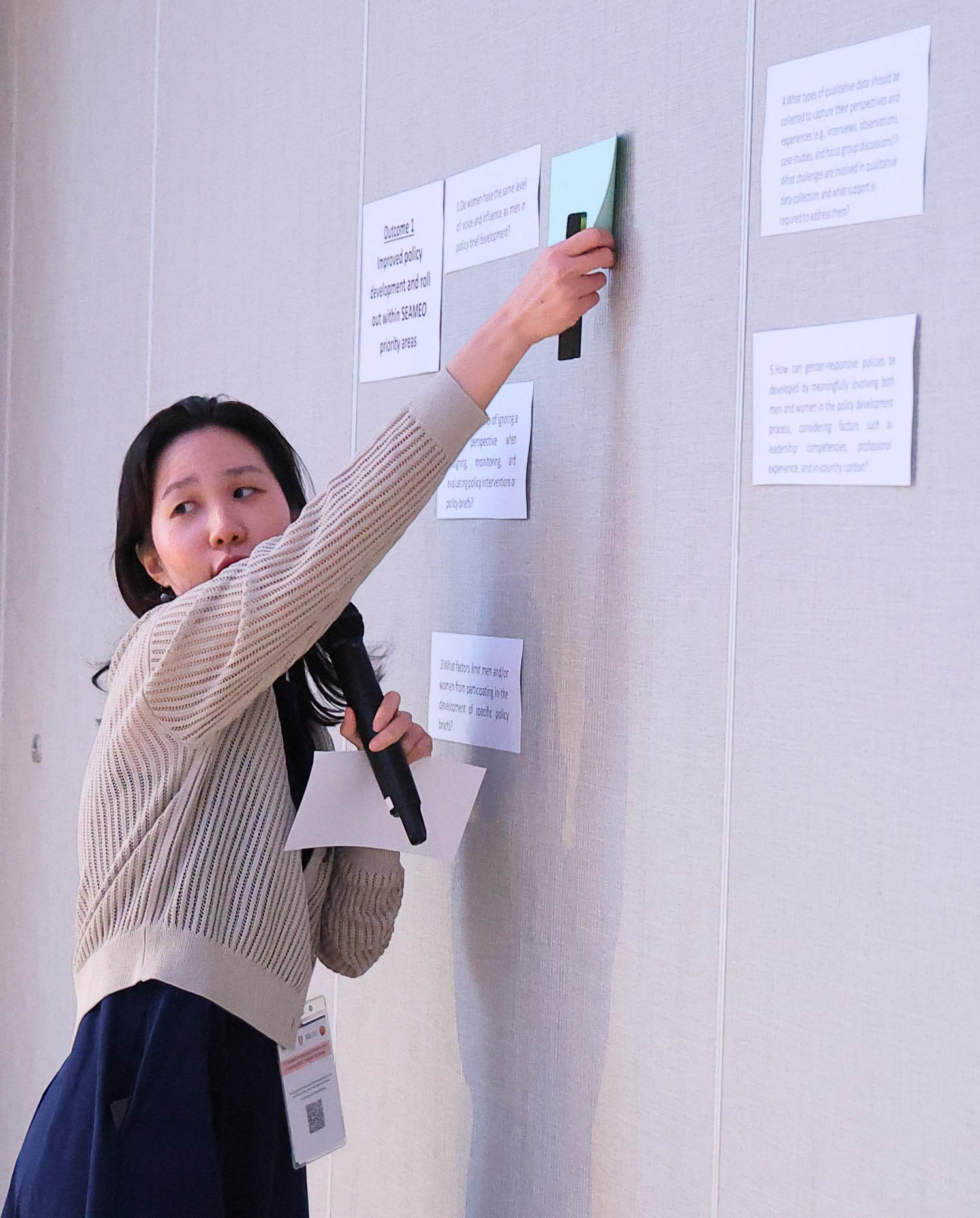
One simple but effective approach is to invite participants to write down their thoughts anonymously on sticky notes or paper cards and post them on a board. Give everyone a few moments to reflect and brainstorm independently, allowing them to express their ideas freely and without pressure. This approach can be especially helpful in organisations with strong hierarchical structures, where speaking openly may feel challenging.
A question board can also make a difference. Instead of passing the microphone around the room, participants can post their questions on the board for the facilitator or moderator to collect and raise during the discussion or Q&A. Other participants can also contribute answers to the questions posted. This approach creates more opportunities for participation while helping ensure the session stays within the allocated time.
Build on every thought, if possible
Great ideas rarely emerge in isolation. They grow when we listen to one another and build on what has already been shared.
However, we sometimes unintentionally shut down ideas with a phrase: “That’s a good idea, BUT…” Before long, the original idea is replaced by our own, and instead of building a collection of ideas, we end up with only the idea of the last person who speaks.
What if we changed just one word?
Instead of saying “BUT,” try saying “AND.”
Start by acknowledging what you appreciate about someone’s idea, then add your own thoughts. This small shift can change the way people respond to one another. Rather than competing to have the best idea, participants begin building on each other’s contributions.
Ideas start popping like popcorn kernels, one after another, creating something bigger than any one person could have developed alone.
Small steps, meaningful change
These techniques are just a few of the many approaches you can take. They may seem simple, but creating a truly inclusive space takes time, intention, and practice. It requires us to think beyond who is in the room and consider how we can make the most of the time, effort, and resources invested in bringing everyone together.
After all, people are at the heart of every process, and every voice matters.
The next time you facilitate a meeting, workshop, or training session, start with just one small step. It could be creating a safe space, inviting a quieter participant to contribute in a way that feels comfortable to them, or replacing “but” with “and” to encourage more constructive conversations.
Then, observe the difference one small change can make, not only in who participates, but also in the quality of the ideas, the richness of the discussion, and the solutions that emerge.
Bringing people into the room is just the beginning. Meaningful inclusion is about designing processes where diverse perspectives are heard, valued, and translated into better ideas, stronger decisions, and more effective solutions.
Disclaimer: The views expressed in this article are solely those of the author and do not represent the position or views of their current employer.
>> About the Author
Veena Cute-ngarmpring (May) is a Thai technical advisor, consultant, and facilitator with over 20 years of experience working with international organizations on regional-level projects across Southeast Asia and beyond, in the areas of sustainable socio-economic development, public-private partnerships, Gender, Diversity and Inclusion (GDI), design thinking, and strategic foresight.
Her work bridges organizational approaches to GDI, project design and implementation, and inclusive facilitation and ideation. She is passionate about designing processes that bring diverse perspectives together, foster meaningful participation, and transform ideas into action.
In addition to her BA in International Relations and MA in Comparative Local Development, she holds a diploma in Cognitive Behavioural Therapy (CBT). Her interest in human behaviour complements her work in inclusive facilitation, underpinning her commitment to understanding people, fostering connection, and supporting positive change at the individual, organisational, and societal levels.